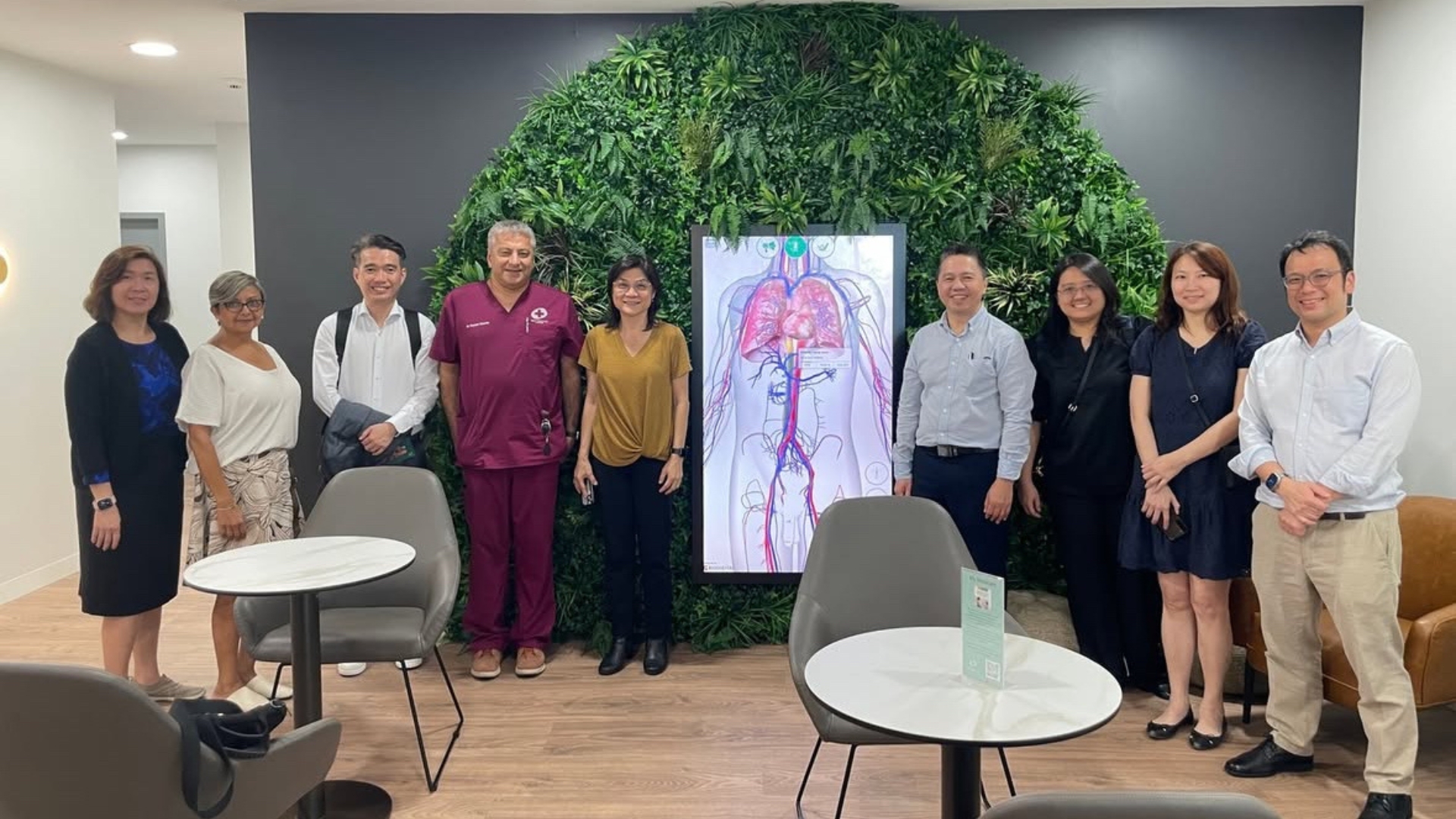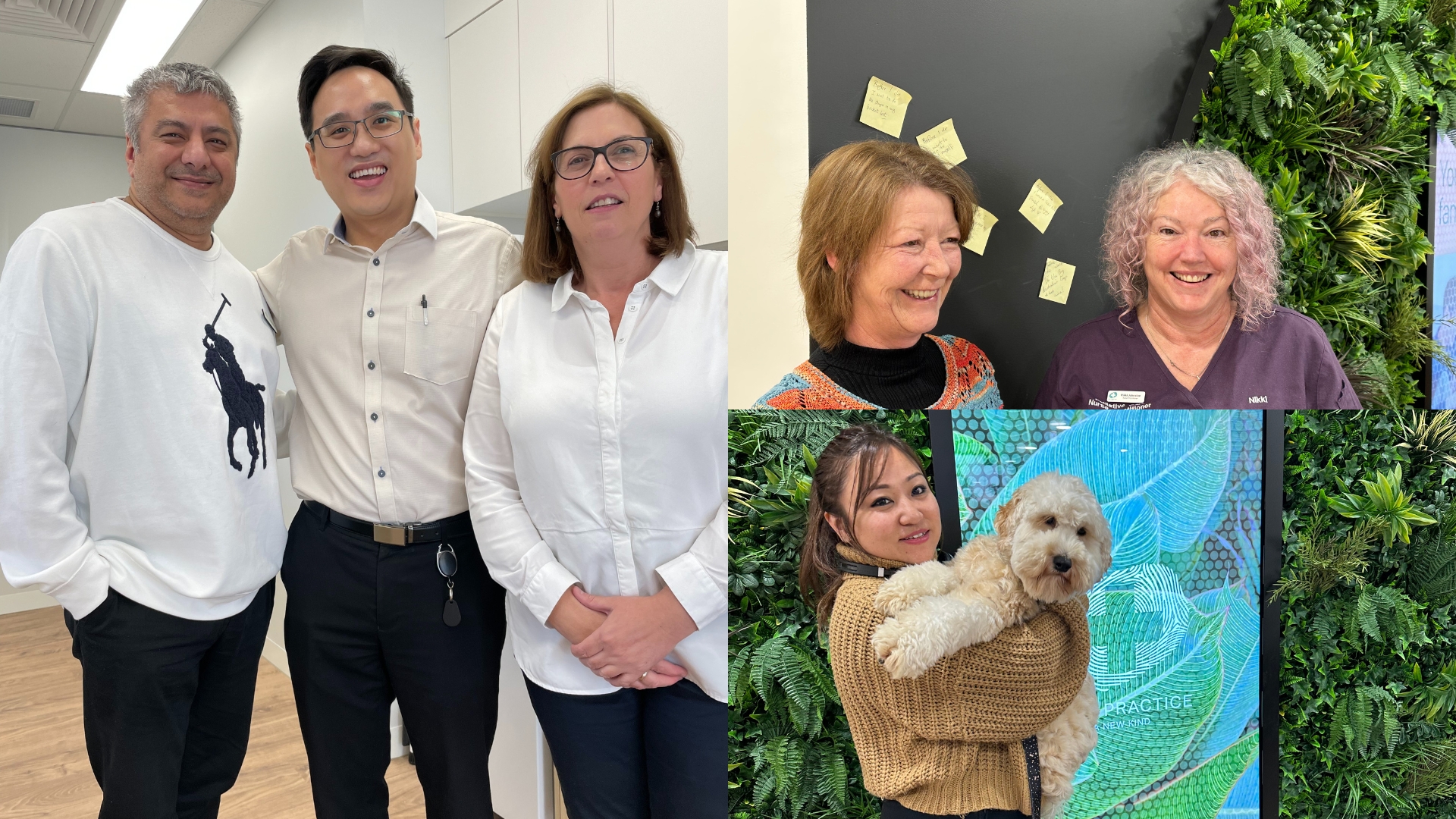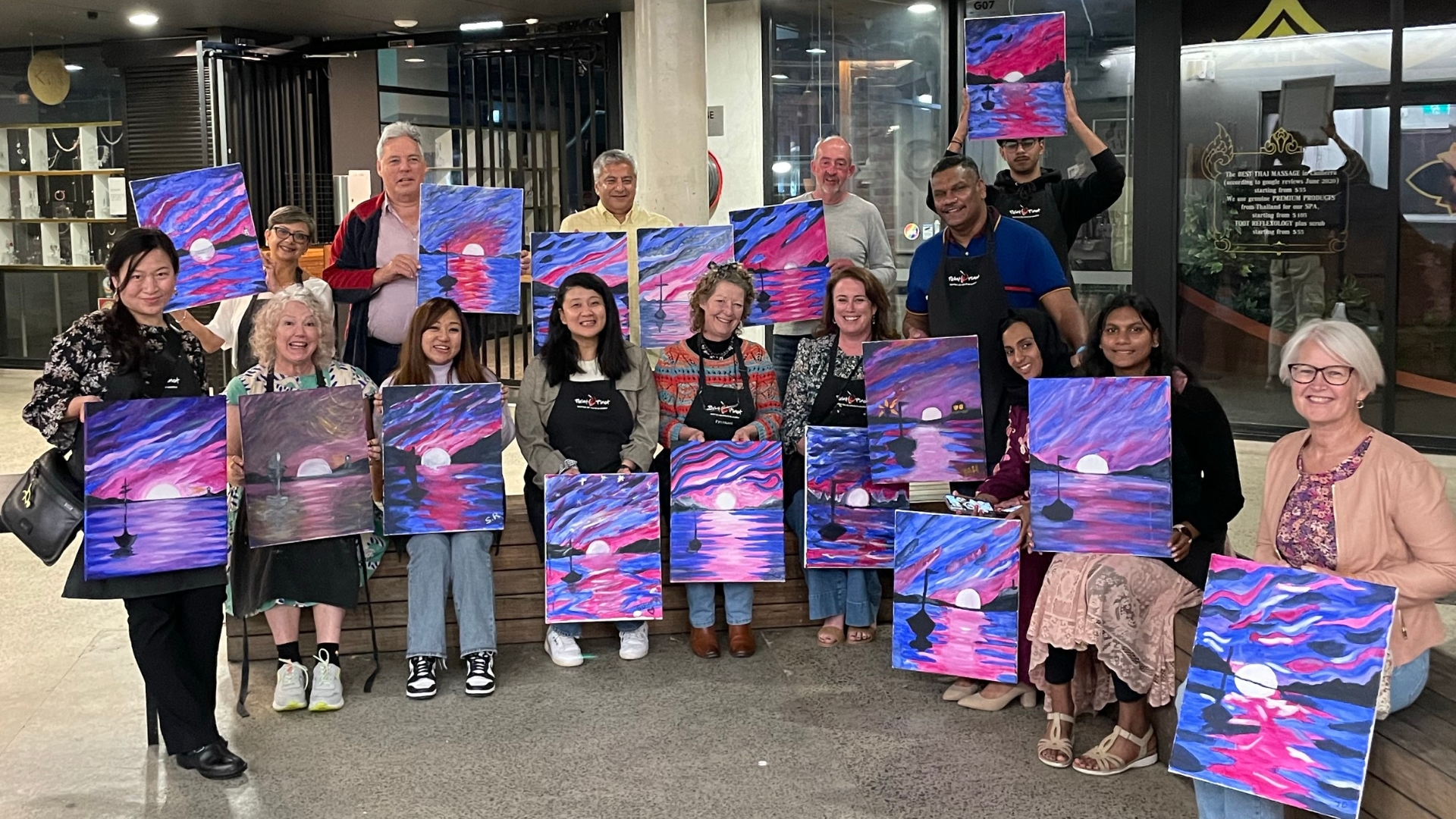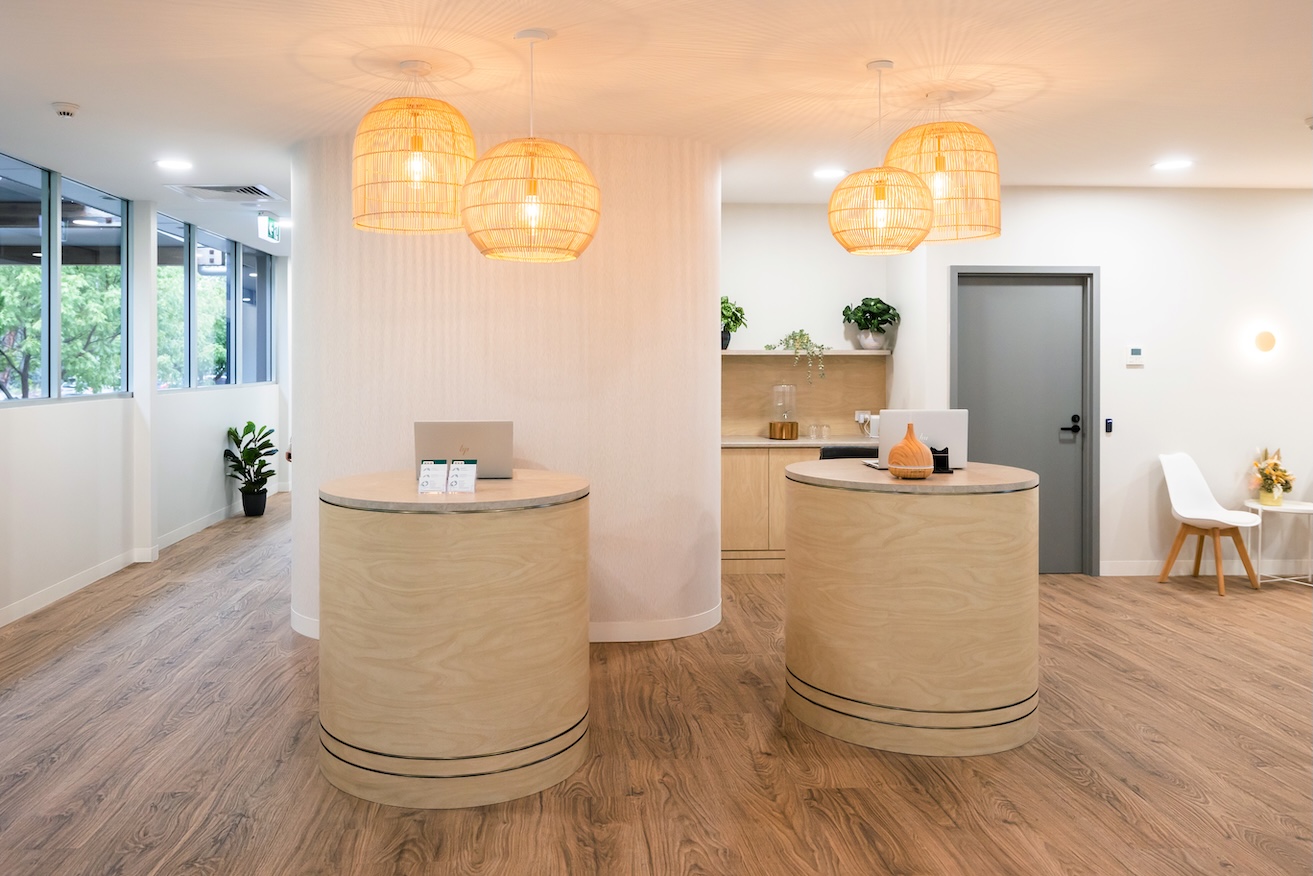
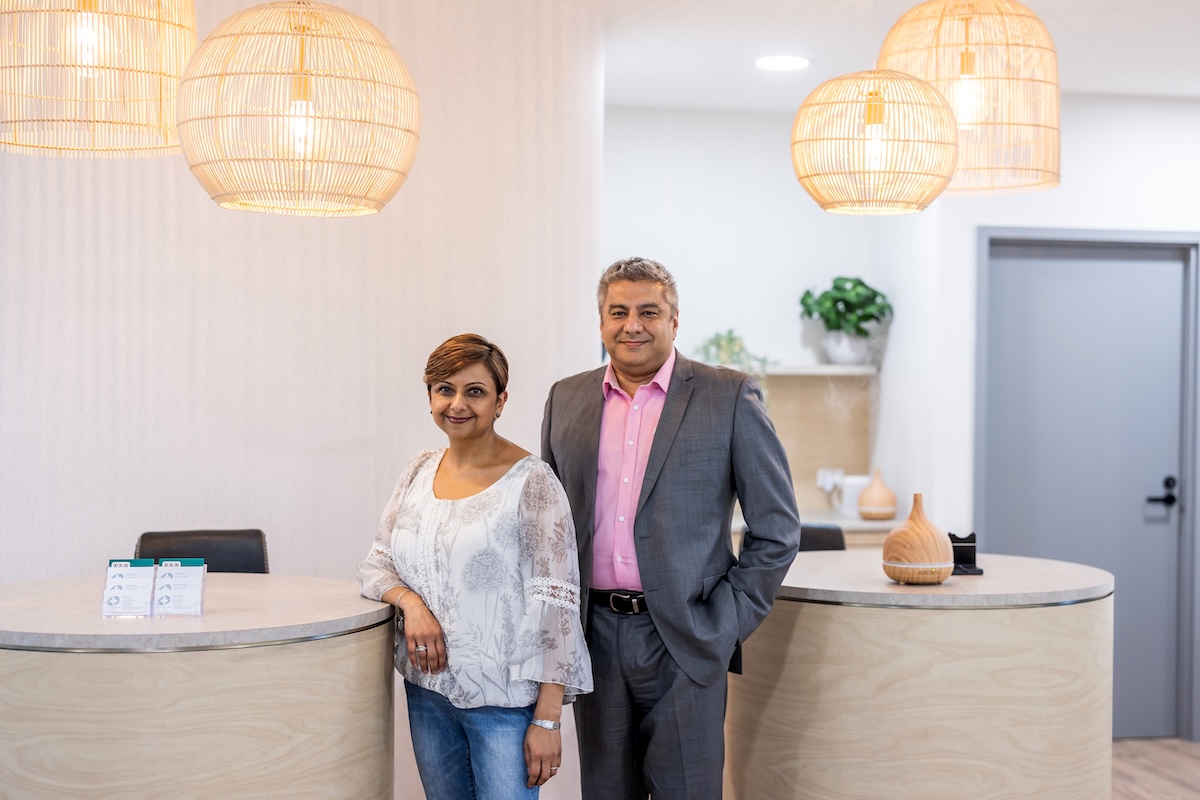
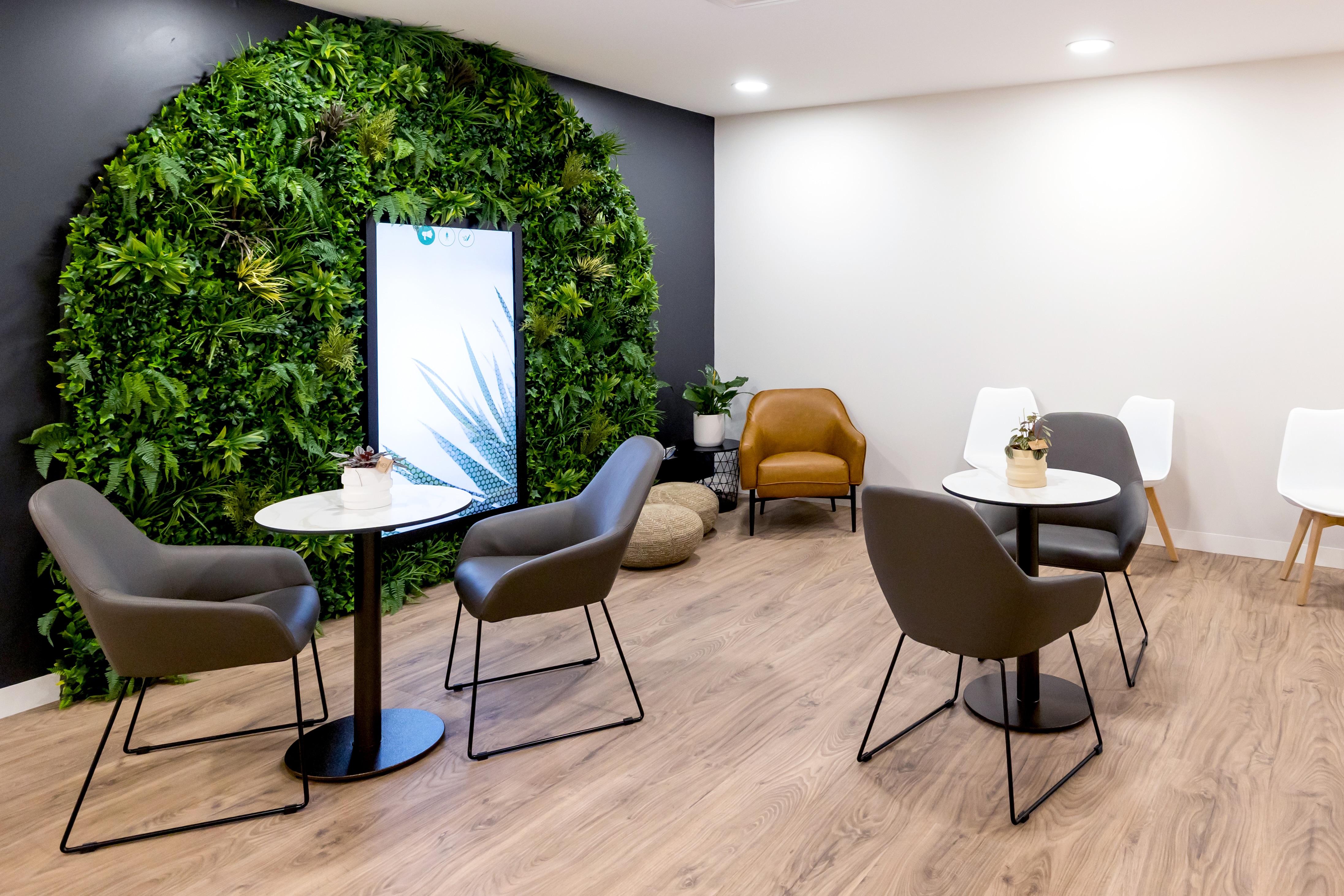


Are you a GP who thrives in a modern, purpose-driven, and collaborative environment? At Next Practice Community, we’ve reimagined the patient and practitioner experience, blending a stunning clinic aesthetic with a forward-thinking, multidisciplinary team culture. We’re proud of the care we deliver and the way we work together to do it.
Next Practice Community – South Tuggeranong is a new community general practice in Canberra seeking GPs to join its founding clinical team. We’re currently seeking VR GPs who’s passionate about delivering high-quality care, values innovation, and wants to be part of a connected and supportive team. We are welcoming both national and international GPs to enquire and relocate to Canberra, with relocation and incentive support available for suitable candidates.
Why join us?
- Professional development incentive
- Relocation costs covered to Canberra
- Opportunity to work across both Next Practice Community and Next Practice Deakin
- Highly engaged clinical and support team
- Beautifully designed consultation spaces
- Integrated digital systems to streamline your day
- A focus on continuity, collaboration, and whole-person care
- Flexible working arrangements - Contractor, hybrid, potential salaried, shared-site and locum conversations may be available, subject to suitability and operational requirements
- Clinical autonomy with strong team support
Come and join Paresh Dawda and the team. Submit an expression of interest for a confidential conversation or view the FAQ below for more information.
The practice will be located in South Tuggeranong, serving the Lanyon area and surrounding suburbs including Conder, Gordon, Banks, Bonython, Theodore and Calwell. The location sits at the southern gateway of the ACT, with natural links to nearby NSW communities, while remaining accessible from other parts of Canberra including the Inner South, Woden, Weston Creek, Tuggeranong and suburbs such as O’Malley.
Yes. Next Practice Community – South Tuggeranong is a new practice. It will open in a purpose-designed temporary site before transitioning to its permanent premises within approximately 3–4 months. The temporary site is being designed to feel modern, calm, warm and clinically functional from day one.
GPs can expect broad, meaningful community general practice. The catchment includes young families, working adults, older people, people with chronic and complex conditions, mental health needs, Aboriginal and Torres Strait Islander communities, and nearby NSW residents who may look to South Tuggeranong as a practical health service hub.
The practice will serve an established South Tuggeranong catchment with clear community need. Tuggeranong is one of Canberra’s largest districts, with 89,461 residents recorded in the 2021 Census. Broader ACT access data also indicates demand for GP care, including lower GP service use than the national average and difficulty accessing preferred GPs. The practice is being positioned as a neighbourhood health option close to where people live, shop, learn and work.
The model is team-based and clinically led. GPs will retain clinical autonomy while being supported by nurses, nurse practitioners, patient advocates, pharmacist input, allied health links, digital workflows, virtual assistant support, senior clinical mentorship and the established Next Practice Deakin team. The aim is to help GPs focus on the work only GPs can do: diagnosis, clinical judgement, continuity, relationships and leadership of care.
Yes. GPs retain clinical autonomy. The model is designed to support clinical judgement, not replace it. Doctors will be supported by evidence-based tools, clear governance, escalation pathways, peer discussion, digital workflows and team-based care.
Nursing support may include: care plans, health assessments, immunisations, procedure support, urgent triage workflows, chronic disease reviews, new-patient preparation where appropriate, recalls and reminders, support for residential aged care workflows where relevant The aim is to reduce avoidable burden on GPs while improving patient care and continuity.
A Patient Advocate is a reimagined reception and front-of-house role. Patient Advocates support navigation, onboarding, digital forms, recalls, reminders, appointment flow, communication, follow-up and patient experience. For GPs, this means fewer avoidable interruptions, better-prepared consultations, smoother patient flow and a more human practice experience.
The broader support model may include: nurses and nurse practitioners, patient advocates, pharmacist input,social work links, allied health links including physiotherapy, diabetes education, oral health, occupational therapy and audiology, digital and virtual assistant support, senior clinical leadership, operational support from Next Practice Canberra / Deakin The GP remains clinically central, but is not professionally isolate.
Next Practice Community – South Tuggeranong will be supported by the established Next Practice Canberra / Deakin team. Deakin has developed a recognised, multidisciplinary model of general practice and will provide local clinical, operational and cultural support for the new practice. This means South Tuggeranong is not starting from zero. It is a new practice backed by an experienced local team.
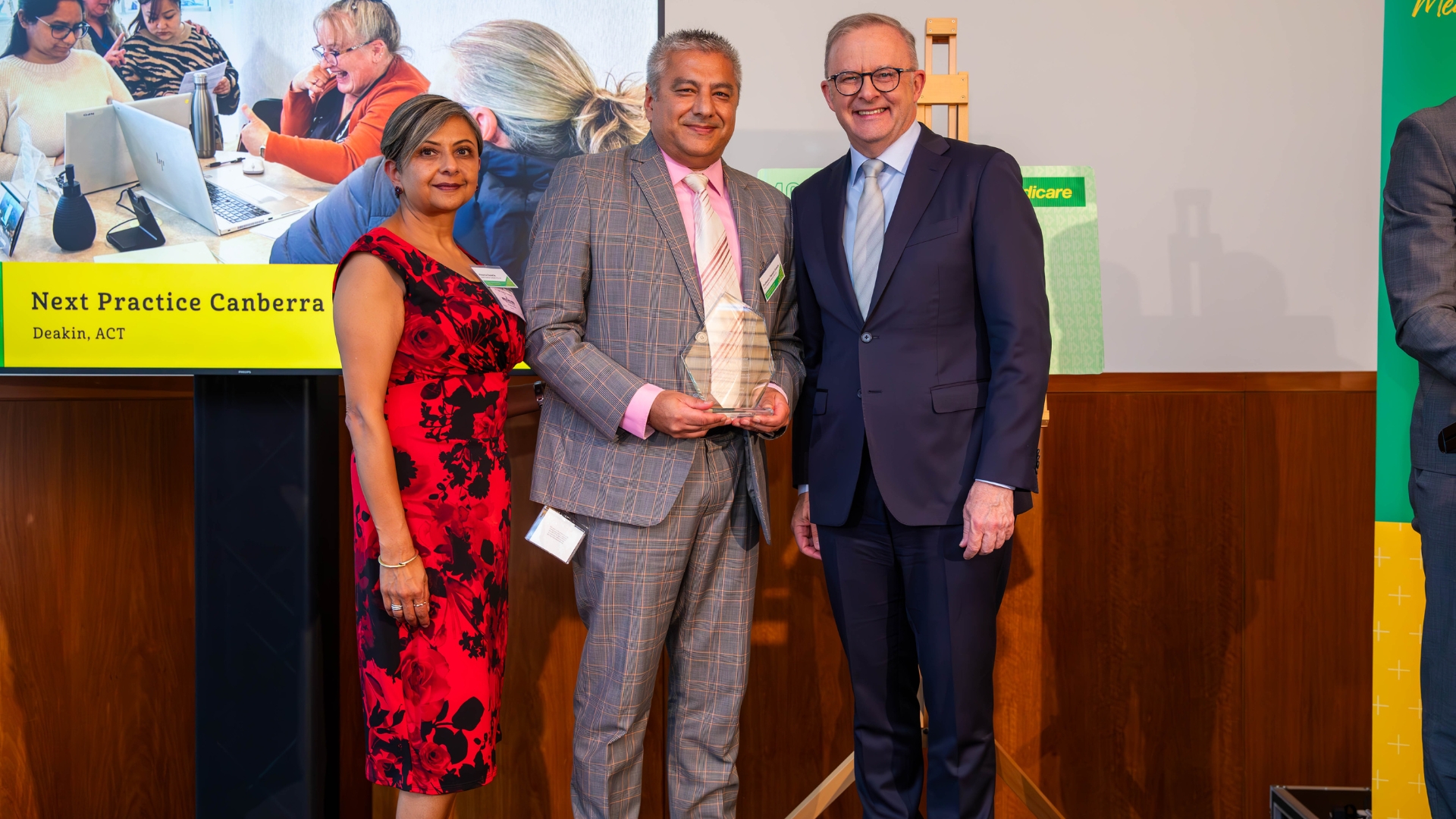
Next Practice Canberra / Deakin has built a high-performing, team-based model of general practice with a strong focus on quality, safety, complex care, innovation, workforce wellbeing and multidisciplinary support. The practice has received recognition for teamwork, quality, safety and complex care, including national recognition through the Stronger Medicare Awards and ACT-level quality and safety recognition.
The practice will use Best Practice as the clinical record backbone. This will be supported by digital workflows such as secure messaging, GP portal access to hospital information, iPads for paper-light forms, digital consent, patient-reported outcome or assessment tools, and responsible use of AI-enabled documentation where appropriate.
Responsible use of AI-enabled documentation will be encouraged where appropriate. Tools such as Heidi may be used with appropriate guardrails, including patient consent, privacy protections, clinician review and clear governance. AI is intended to reduce documentation burden and support evidence-based care. It does not replace clinical judgement.
The practice is planning a telehealth booth with tele-examination equipment. This will support patients to access specialist telehealth appointments from within the clinic and may also enable flexible remote GP consulting where clinically appropriate. The aim is to improve access while maintaining clinical quality and patient support.
Remote-supported sessions may be considered where clinically appropriate and operationally feasible. This may include video consultations, telehealth booth-supported care, or other models that preserve clinical quality, safety and continuity. Remote work arrangements will depend on role design, patient needs, Medicare requirements, provider number arrangements and practice operations.
The practice is being designed around accessible community care, with appropriate private billing opportunities for eligible services such as procedures, special interests or shared Deakin sessions where suitable. Commercial and billing arrangements will be discussed individually and transparently, based on the doctor’s engagement model, role design, billing mix, sessions, Medicare requirements and provider number status.
Potentially, yes. Private billing opportunities may be available for eligible services such as procedures, special-interest work or shared sessions with Next Practice Deakin, where appropriate. These arrangements will depend on clinical scope, service design, Medicare requirements, billing rules and operational feasibility.
Flexible engagement conversations may include: independent contractor arrangements, hybrid arrangements, potential employed or salaried options where appropriate, part-time or full-time work, special-interest sessions, residential aged care sessions, telehealth or remote-supported sessions, shared-role pathways across South Tuggeranong and Next Practice Deakin where appropriate, potential longer-term alignment, including equity participation for suitable doctors All arrangements are subject to role design, practice viability, workforce needs, DPA, provider number, Medicare and operational requirements.
Potential employed or salaried options may be considered where appropriate and aligned to the operating model. The practice is not assuming one model will suit every GP. The aim is to have mature, individualised conversations about what will work for the doctor, patients and the practice.
Shared-role pathways across South Tuggeranong and Next Practice Deakin may be considered for suitable doctors. This may provide exposure to both community access work and private or mixed-billing practice, subject to DPA, provider number, Medicare, billing, workforce and operational requirements.
DPA eligibility and provider number requirements are doctor-specific and must be reviewed individually. The team will discuss DPA, Medicare, provider number and registration considerations with each candidate as part of the recruitment process.
Yes. International GPs, particularly those from comparable systems, may be suitable candidates depending on their qualifications, registration pathway, visa status and provider number requirements. Support may include guidance around registration, Medicare, provider numbers, visa processes and relocation.
For interstate and international GPs, relocation support may include: AHPRA and registration guidance, Medicare and provider number support, visa and credentialling guidance, housing orientation, schooling information, partner employment signposting, community connection, settlement check-ins, practical support during the first months after arrival This support recognises that relocation is a family decision, not just a professional move.
Support may include guidance around where to live, schooling, childcare, partner employment signposting, community orientation and settling into Canberra. This support is informed by lived experience, including Dr Paresh Dawda’s own move from the UK to Australia with a young family.
Yes. The practice is keen to support GPs to develop portfolio-style careers and special interests aligned to community need and practice priorities. Areas may include: • skin • women’s health • men’s health • chronic disease • aged care • mental health • procedures • digital health • teaching • research • quality improvement • clinical leadership
Yes. Professional development will be supported through structured conversations, mentoring, peer learning, multidisciplinary case discussion and practical support for developing clinical interests. Where aligned to community need and practice priorities, development may be supported through co-contribution to training, external opportunities, credentialling support, workflow design, governance and sustainability planning.
Each GP will have structured professional development conversations to identify career goals, special interests and support needs. Dr Paresh Dawda will offer twice-yearly peer conversations, or additional support as needed, tailored to the doctor’s career stage. Senior clinical mentorship, peer discussion and multidisciplinary learning will also be part of the broader support model.